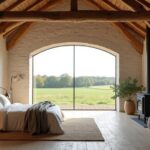
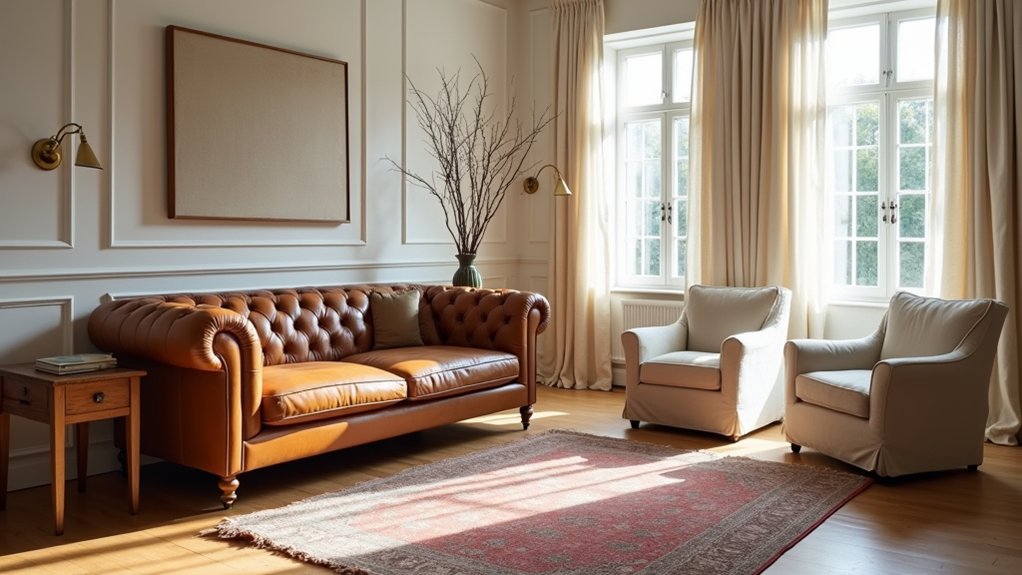

You don’t need a house full of “statement” pieces to get a space that feels finished. You need furniture that passes a simple test: strong proportions, honest materials, comfortable support, flexible styling, and hardware that won’t date itself. When you choose classic silhouettes in durable fabrics and real wood, your rooms stay adaptable as trends shift. Start with the few pieces you’ll touch every day—and watch what changes when one choice is slightly off…
What Makes Furniture Timeless? (5-Point Test)
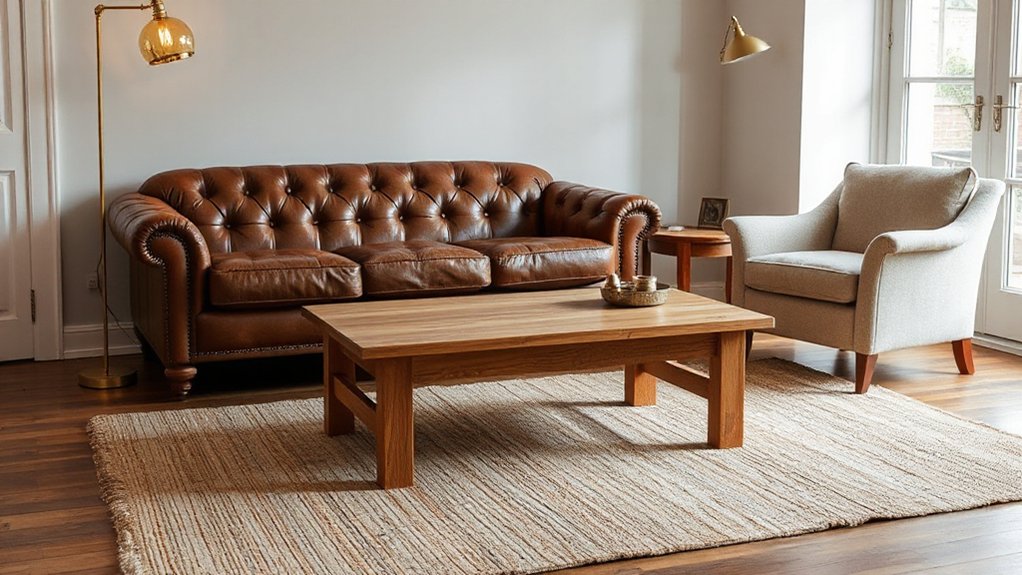
While trends cycle every season, truly timeless furniture earns its place by performing well, looking balanced, and aging gracefully in real homes. Use this 5-point test before you buy:
First, check proportion—does it suit your room’s scale and sightlines?
Second, verify construction—solid joinery, stable frames, and tight tolerances beat shortcuts.
Third, assess materials—hardwoods, quality veneers, and performance finishes support furniture longevity.
Fourth, demand versatility—neutral profiles and adaptable function let you update styling without replacing pieces.
Fifth, confirm serviceability—replaceable hardware, repairable surfaces, and available parts keep it in rotation.
You don’t ignore Design trends; you filter them, choosing classic forms with subtle, current details that won’t date fast.
A Timeless Sofa: Silhouettes, Fabrics, and Fills
When you choose a timeless sofa, start with a classic silhouette—think tailored track arms, a clean tuxedo profile, or a balanced English roll arm—that won’t date your room in a few seasons.
Then lock in longevity with durable upholstery like top-grain leather, tightly woven performance fabric, or high-rub-count linen blends in versatile neutrals.
Finally, prioritize comfort that holds its shape by selecting cushion fills like high-resilience foam cores wrapped in down/feather or a quality synthetic down alternative.
Classic Sofa Silhouettes
Because your sofa anchors the room, choosing a classic silhouette gives you a reliable foundation that won’t feel dated as trends shift. Start with a tight set of proven shapes: a Chesterfield for tailored formality, a Lawson for relaxed proportions, and a tuxedo sofa for crisp, architectural lines.
Aim for balanced scale—arm height aligned with back height, seat depth that supports upright lounging, and legs that lift the frame for a lighter visual footprint. Rounded English arms and turned legs add Vintage charm, while cleaner track arms and slimmer profiles offer a Modern reinterpretation without losing the original DNA.
Keep the silhouette the hero; let accessories, not structure, deliver the seasonal update. Choose clean seams and disciplined proportions.
Durable Fabric Choices
To make a timeless sofa actually live like one, you need upholstery that resists abrasion, fading, and everyday spills without looking overly “performance.” Start by prioritizing tight, durable weaves—solution-dyed acrylic, performance polyester, and modern stain-treated blends—then verify the specs: aim for 30,000+ double rubs for family rooms, strong colorfastness ratings for sunny spaces, and a finish that repels moisture but still feels breathable.
For elevated Fabric durability, choose textured solids, heathered neutrals, or small-scale patterns that hide wear while staying classic. Skip loose slubs and delicate linens unless they’re blended and treated.
Track upholstery trends, but filter them through longevity: warm taupes, camel, and inky blues age better than high-contrast prints. Order large swatches, test-clean them, and confirm removable covers if you’ve got kids or pets.
Comfort-Focused Cushion Fills
Even if you’ve nailed the silhouette and fabric, the cushion fill decides whether your sofa feels inviting in year three or looks and sits tired by year one.
For everyday cushion comfort, choose high-resiliency (HR) foam wrapped in down or a down-alternative: you’ll get supportive lift with a softer hand and fewer permanent dents.
If you love a sink-in feel, pick a multi-chamber insert—foam core for structure, feather/down on top for loft—so it won’t pancake.
Ask for a 2.0–2.5 lb foam density and a tight ticking to reduce shifting.
Skip low-density foam and all-down seats unless you’ll commit to daily fluffing.
Prioritize filling durability, then tune firmness to how you lounge.
Classic Armchairs That Fit Any Room
While trends rotate from bouclé to velvet and back again, a classic armchair holds its ground by balancing clean lines, supportive proportions, and timeless materials.
You’ll get the most versatility from a tailored silhouette: a tight back or lightly channeled backrest, a seat depth around 20–22 inches, and arms that clear standard side tables.
Choose durable upholstery—top-grain leather, performance linen blends, or tightly woven wool—and insist on kiln-dried frames with corner blocks and sinuous springs or eight-way hand-tied support.
If you love character, prioritize Antique restoration over risky reupholstery shortcuts, and add Vintage accents through nailhead trim or turned legs.
Place one in a bedroom, office, or living room; it’ll anchor a corner without dominating it.
A Solid Wood Bed That Won’t Go Out of Style
Because your bed dominates the visual weight of a bedroom, a solid wood frame gives you long-term style without chasing finishes and fabrics that age fast. Choose hardwoods like oak, walnut, or maple for tight grain, better dent resistance, and cleaner aging.
Favor simple profiles: a straight headboard, low footboard, and minimal trim suit minimalist design and won’t lock you into a decade-specific look. If you want Vintage charm, look for turned legs or subtle paneling, not fussy carvings.
Prioritize joinery—mortise-and-tenon or sturdy bolts—so the frame stays silent and square over time. Skip gimmicky storage add-ons; invest in a platform or slat system that supports your mattress properly and lasts.
Check finish quality and sealed edges, too.
A Timeless Dining Table: Size, Shape, and Finish
To choose a timeless dining table, you’ve got to balance scale, silhouette, and surface so it fits your room and your routines.
You’ll get the best results when you match size to clearances and seating count, shape to traffic flow (round for tight spaces, rectangular for long rooms), and finish to your home’s wear level and palette.
Nail these pairings, and your table reads current—think light oak, warm walnut, or matte black—without locking you into a fleeting trend.
Choosing Ideal Table Size
How do you choose a dining table size that feels timeless rather than cramped or oversized? Start with clearance: keep 36 inches minimum from table edge to walls or cabinetry, and 42–48 inches in busy walkways.
Plan for seating comfort: allow 24 inches of width per person and 15 inches from tabletop edge to place setting center; this prevents elbow battles and keeps proportions classic.
Match capacity to real life, not holiday fantasies. If you host weekly, size for that group; otherwise, prioritize everyday breathing room and consider a leaf.
Coordinate decorative accessories by keeping centerpieces low and narrow so the table still functions.
Finally, align lighting options with scale: hang a fixture centered and sized to sit about 30–34 inches above the top.
Shape And Finish Pairings
Once you’ve nailed the right table size, shape and finish lock in whether it reads timeless or merely trendy. Choose shapes that support how you live: rectangular for structured seating, round for easy conversation, oval for tight pathways, and square for intimate rooms.
Then pair the silhouette with a finish that won’t date fast. Matte or satin woods hide wear and feel current without screaming “now,” while high-gloss lacquer can skew flashy unless the room is restrained.
For Color coordination, echo one dominant tone already in your space—floors, cabinets, or upholstery—then add contrast through chairs, not the tabletop.
For Style blending, combine a classic profile (turned legs or trestle base) with a modern finish, or vice versa, and keep hardware minimal.
Coffee Tables That Stay Classic (Wood, Glass, Stone)
While trendier shapes and finishes come and go, a classic coffee table anchors your living room with materials that age well and pair with almost any style. Choose solid wood when you want Vintage charm, visible grain, and a forgiving surface that hides daily wear; stick to simple silhouettes to keep it timeless, not rustic.
Opt for glass if you’re after Modern minimalism and a lighter visual footprint—just pick thick, tempered tops and streamlined bases so it won’t read dated.
Select stone for permanence: marble, travertine, or quartz add weight and polish, but you’ll want sealed surfaces and rounded edges for real-life durability.
Keep proportions right—about two-thirds your sofa length—and leave 16–18 inches for easy circulation.
Real-Wood Dressers: Drawer Quality and Joinery
A living room’s coffee table may set the tone, but a real-wood dresser proves its value every single day through what you can’t see at a glance: drawer build and joinery.
Start by checking Drawer construction: solid-wood sides, a plywood bottom set in a groove, and a bottom panel thick enough not to drum or sag. Pull a drawer fully out; it should glide smoothly, sit square, and resist racking. Look for hardwood runners or quality undermount slides, not thin stapled tracks.
Then verify joinery techniques: half-blind dovetails up front, through dovetails at the back, or tight box joints—clean shoulders, no gaps. Avoid butt joints and brads.
These details feel quietly luxe and stay relevant.
Closed Storage Cabinets That Calm Visual Clutter
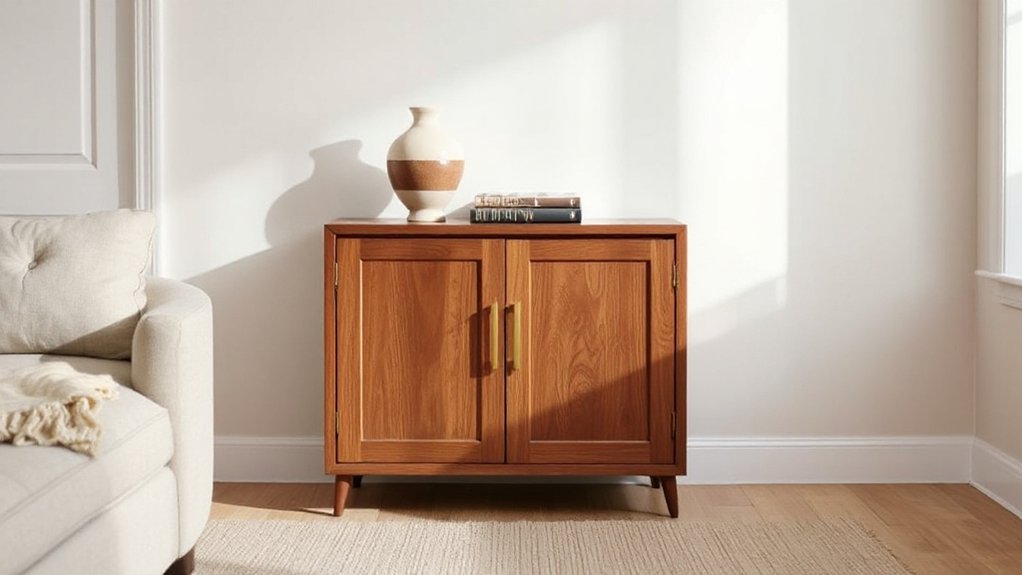
When your shelves start looking like a collage of cords, remotes, and half-finished projects, closed storage cabinets instantly reset the room by hiding the noise. You get cleaner sightlines and a calmer mood without sacrificing access to everyday essentials.
Choose solid doors that align tightly, with soft-close hinges and adjustable shelves so the cabinet adapts as your needs shift. Prioritize durable finishes—matte lacquer, oiled oak, or stain-resistant veneer—so fingerprints don’t telegraph chaos.
Hidden compartments let you stash chargers, keys, and paperwork where you can reach them fast, but guests can’t see them. Keep proportions low and wide in living areas, taller and slim in tight corners.
Add Decorative accents like fluted fronts, brass pulls, or cane panels for texture without clutter.
A Versatile Bookcase for Living Spaces (Not Just Offices)
Because open shelving can either elevate a living room or make it feel like a workplace, a versatile bookcase earns its keep by blending display and function with intentional styling. Choose a Decorative bookcase with adjustable shelves so you can shift from tall art books to baskets, records, or barware without dead space.
Treat it as Multi functional shelving: anchor a reading nook, flank a media console, or define a small dining zone in an open plan. Keep the edit tight—stack books horizontally, leave negative space, and repeat two or three accent colors to avoid visual noise.
Add closed bins on lower shelves to hide chargers and remotes, and reserve eye-level shelves for objects with strong silhouettes. It’ll look curated, not corporate.
Materials That Age Beautifully (and What to Avoid)
If you want furniture that looks better with time, you need to choose materials that develop character instead of just showing wear.
Solid wood (and quality veneer) can gain depth, leather can patina, and well-finished metals can mellow—while cheap plated hardware, flimsy laminates, and brittle synthetics tend to scratch, peel, or crack.
You’ll also want to match each material to your lifestyle, because the best-looking “aged” pieces are the ones that handle real use without failing.
Solid Wood And Veneer
While trends swing from boucle to chrome, your furniture’s longevity still comes down to what it’s made of: solid wood and well-executed veneer age with character, developing richer color and patina instead of looking tired.
Choose hardwoods like oak, walnut, or maple when you want pieces that can be refinished, repaired, and handed down.
Ask about Sustainable sourcing and look for clear labeling (FSC, reclaimed, or responsibly managed forests).
For veneer, you’re not “settling” if the build is right: prioritize thick face veneers over particleboard cores, tight seams, and balanced construction that resists warping.
You’ll spot artisan craftsmanship in clean joinery, stable drawer boxes, and edge-banding that won’t peel.
Avoid ultra-thin foil wraps and softwoods that dent easily.
Leather, Metals, And Synthetics
Even when your style shifts from warm minimalism to high-contrast contemporary, leather, metals, and smart synthetics can keep a piece looking better with age—provided you choose the right grades and finishes.
For Leather durability, pick full-grain or top-grain with aniline or semi-aniline dye; it patinas instead of cracking. Skip bonded leather and thin corrected grain that peels at stress points.
With Metal finishes, favor powder-coated steel, brushed stainless, or plated brass with a clear lacquer; they resist fingerprints and spot corrosion. Avoid soft, mirror-polished chrome in high-touch zones unless you’re okay with constant buffing.
For synthetics, high-quality performance fabrics, molded polymers, and UV-stable faux leather handle sun and spills. Steer clear of cheap vinyl that off-gasses and hardens.
Conclusion
Choose pieces that look right today and still feel right ten years from now. You’re balancing clean silhouettes with cozy comfort, and solid wood weight with light, flexible styling. Invest in a tailored sofa, a classic armchair, and a simple bed; then anchor them with a well-sized dining table, tight-joinery dressers, closed cabinets, and a versatile bookcase. Skip flimsy veneers and fussy hardware. Let patina replace perfection, and your home stays current.