
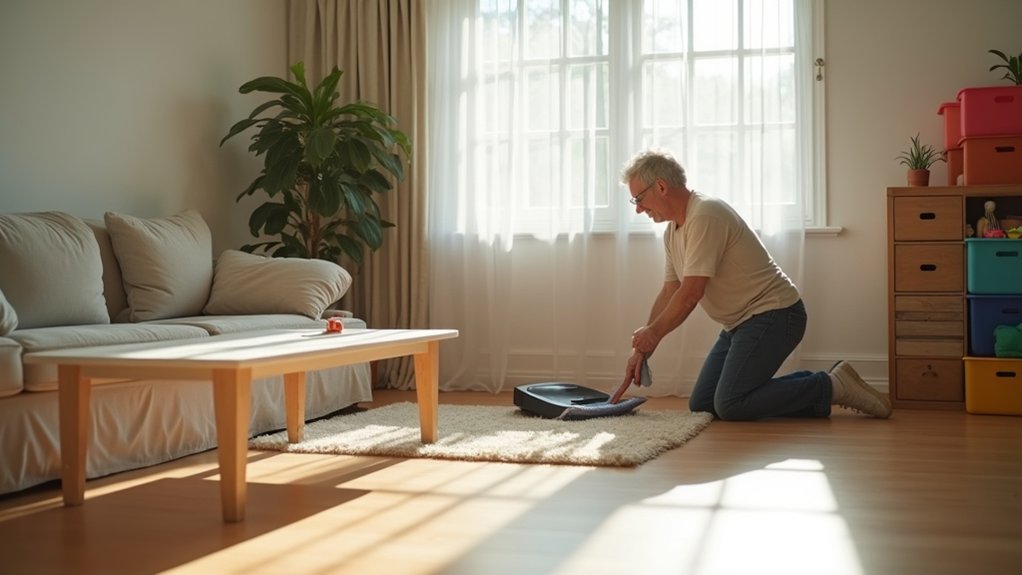

Your old cleaning checklist is a minivan parked in an empty driveway. When the kids move out, the mess map changes, but you might still scrub like you’re managing spills, sports gear, and constant traffic. Instead, you can track what actually gets dirty now, cut the kid-era tasks, and shift to a lighter weekly reset plus seasonal deep-clean touchpoints. The surprise is which areas need more attention—and which can finally wait…
Notice What Gets Dirty in Your Empty-Nest Home
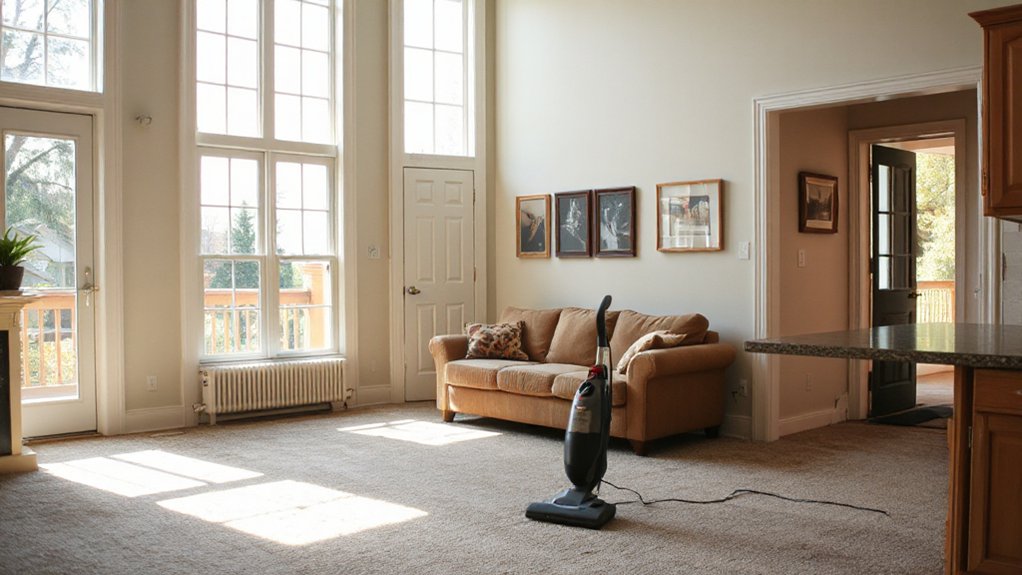
Once the kids move out, your home’s dirt patterns shift fast, so it’s worth resetting your assumptions before you default to the old routine. Do a two-week “dirt audit”: walk each room at the same time daily, note hotspots, and snap quick photos to spot repeat messes.
You’ll likely see less kitchen floor grit but more pet hair collecting under sofas and along baseboards where traffic slows. Entryways may still show mud stains if you garden, hike, or host often, so watch mats, grout, and the first six feet of flooring.
Bathrooms may stay cleaner, yet guest baths get dusty and need quick wipe-downs before visitors. Track which surfaces dull fastest—stainless, glass, or dark paint—then adjust your tools and timing.
Stop the “Kid-Era” Cleaning Tasks You Don’t Need
After you’ve mapped the new mess patterns, cut the kid-era chores that no longer earn their keep. Retire weekly baseboard scrubs in hallways that no longer see sneaker traffic. Stop wiping fingerprints off low windows and cabinet fronts daily; switch to spot-cleaning when you actually see smudges.
Pull out Child proofing hardware—outlet caps, corner guards, gate mounts—and patch or clean those areas once, then move on.
Reclaim time by downsizing Toy storage: purge bins, donate duplicates, and collapse bulky organizers that collect dust. If grandkids visit, keep a single lidded tote in a closet instead of maintaining a playroom.
Finally, cancel “just in case” deep-cleaning of snack zones—no more vacuuming under booster-seat spots that don’t exist.
A Simple Weekly Empty-Nest Cleaning Routine (Template)
Now that you’ve cut the kid-era chores that don’t pay off, you can run a lighter weekly routine that keeps the house guest-ready without eating your weekend. Try a 45–60 minute reset, split across two short sessions.
Monday: do a 10-minute pickup and wipe kitchen counters, sink, and stovetop.
Wednesday: vacuum high-traffic zones and baseboards, using a rubber broom attachment for pet hair.
Friday: quick bath refresh—spray shower, wipe mirror, swap hand towels, empty small trash.
Weekend: run one load of linens, then spot-treat carpet stains with enzyme cleaner and blot, don’t scrub.
Finish with a “closing shift”: load dishwasher, set a robot vacuum schedule, and restock wipes, filters, and mop pads.
Seasonal Deep-Clean Checklist for Empty Nesters
Even if your weekly reset keeps surfaces under control, seasonal deep-cleans handle the slow-build grime—dust in returns, film on cabinet fronts, pet hair under furniture, and the closet clutter you stopped seeing.
Pick one weekend per season and batch tasks like a pro: start high (ceiling fans, light fixtures), then wash walls in splash zones and degrease cabinet fronts with a gentle alkaline cleaner.
Pull furniture out, vacuum edges, and mop with a low-residue solution to prevent sticky re-soiling.
Rotate textiles: launder slipcovers, wipe blinds, and steam-refresh rugs.
Add Seasonal decluttering by auditing drawers for duplicates and expired products before restocking.
Close with Gardening chores: sweep patios, rinse outdoor cushions, and clean the grill grates for ready-to-host weather.
Clean Neglected Areas: Closets, Vents, Guest Rooms
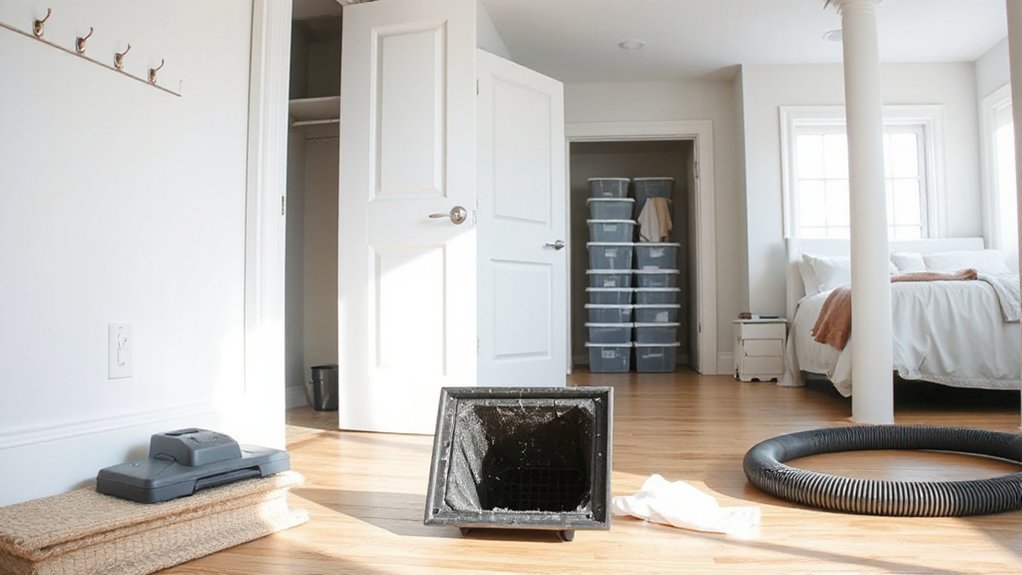
Seasonal deep-cleans knock out the obvious buildup, but the biggest payoff often comes from the zones you don’t see daily—closets, vents, and guest rooms.
Start with closets: pull everything out, wipe shelves, and sort fast to stop Closet clutter from creeping back. Use matching bins, label by season, and hang “maybe” items facing backward to track what you never wear.
Next, handle Vents dusting: shut the system off, vacuum registers with a brush attachment, then wipe grilles with a damp microfiber. Replace filters and note the date on the frame.
In the guest room, launder bedding, flip the mattress, and steam-clean the headboard. Dust ceiling corners, under the bed, and inside nightstands so the room stays guest-ready, not storage-ready.
Downsize Cleaning Supplies to the Essentials
Now that you’re not cleaning for a full house, you can trim your stash to a few multipurpose staples—an all-purpose spray, microfiber cloths, and a solid disinfectant.
Toss duplicate specialty bottles you never reach for and keep only what matches your current surfaces and habits.
Then store everything in one caddy or under-sink bin with labels so you can grab, use, and put it back fast.
Keep Multipurpose Cleaning Staples
Once your house isn’t handling daily kid-level messes, you can downsize your cleaning stash to a few multipurpose staples that cover most surfaces without crowding your cabinets.
Keep an all-purpose concentrate you can dilute for counters, walls, and baseboards, plus a microfiber set for dusting and quick wipe-downs.
Add a gentle dish soap that doubles for hand-washing delicate items and degreasing.
For Pet hair, rely on a rubber squeegee or reusable lint roller that works on upholstery, stairs, and car seats.
For Stain removal, keep an enzyme spray that tackles food, sweat, and organic spots on fabrics and rugs.
Round it out with baking soda for odor control and a disinfecting option you reserve for high-touch areas.
Reduce Duplicate Specialty Products
After the kids move out, you don’t need three glass sprays, two stainless polishes, and a separate “bathroom foam” taking up shelf space. Do a quick audit: group products by surface, then pick one best performer per category. If two bottles solve the same problem, you’re paying for duplicate cleaning and adding decision fatigue to every wipe-down.
Keep specialty products only when they truly outperform an all-purpose cleaner—like a real limescale remover for hard-water rings or an enzyme spray for pet accidents. Toss anything expired, half-used, or only purchased for a one-time mess.
If you love “single-purpose” formulas, switch to concentrates or refill systems so you can keep results without the clutter. You’ll clean faster, spend less, and restock with intention.
Store Supplies More Efficiently
When your cleaning shelves aren’t competing with kid clutter anymore, you can store supplies like a minimalist—by function and frequency, not by habit. Start with Supply optimization: keep one all-purpose cleaner, one disinfectant, glass cleaner, and a gentle scrub. Donate or recycle half-used duplicates and expired chemicals.
Next, upgrade your Storage organization. Create three zones: daily (counter spray, microfiber cloths), weekly (bathroom kit, vacuum tools), and seasonal (deep-clean brushes, grout steam tool). Use clear bins with labels, and store refills behind the active bottle to prevent overbuying.
Hang spray bottles on a tension rod under the sink, and keep wipes sealed in a lidded container so they don’t dry out. You’ll move faster, restock smarter, and avoid clutter creep.
Keep Your Empty-Nest Cleaning Routine Sustainable
Now that the house is quieter, you can right-size your weekly tasks so you’re not scrubbing on a “family of five” schedule. Set a lean baseline—quick kitchen reset, one load of laundry, and a bathroom wipe-down—then rotate one deeper task each week to keep grime from stacking up.
Build flexible maintenance habits by tying micro-cleanups to routines (after coffee, before bed) and using a simple checklist app so you can adjust when travel or grandkid visits pop up.
Right-Size Weekly Tasks
Even if your weekends used to revolve around kid-level mess control, you don’t need to keep the same weekly cleaning list in an empty nest. Audit your tasks: keep what protects health and finishes, cut what was kid-driven. Swap daily bathroom wipe-downs for a once-a-week reset, and run floors on a schedule that matches actual foot traffic.
Right-size outdoors, too. If your yard’s calmer, scale back garden maintenance to a quick mow, weed pass, and a 10-minute porch sweep.
Prioritize appliance upkeep weekly: empty the dishwasher filter, wipe fridge seals, and check the washer gasket so small issues don’t become big repairs.
Batch chores into 30–45 minute blocks, then stop when the list’s done. Your time stays yours.
Build Flexible Maintenance Habits
As your schedule and your home’s traffic shift, you’ll get better results by building maintenance habits that flex instead of locking you into a rigid checklist.
Use Flexible scheduling: pick two “anchor” days for basics (floors, bathrooms, kitchen reset), then keep a 15-minute buffer you can move to any day. When life gets busy, you’ll still cover the essentials without falling behind.
Adopt a Maintenance mindset by cleaning for prevention, not perfection. Wipe high-touch spots as you notice them, run a quick load of towels before you’re out, and do a one-room reset while coffee brews.
Track what actually gets dirty—guest bath, entryway, pet zones—and scale frequency up or down monthly. You’ll stay consistent, but never stuck.
Conclusion
Once your kids move out, you don’t need to clean like you’re still managing a daily cyclone. Watch what actually gets dirty, cut the kid-era tasks, and run a lean weekly reset plus a seasonal deep clean. For example, after “Maria” became an empty nester, she stopped nightly toy sweeps, cleaned bathrooms twice weekly, and added a monthly vent-and-guest-room check—saving two hours every week while keeping the house guest-ready and calm.