
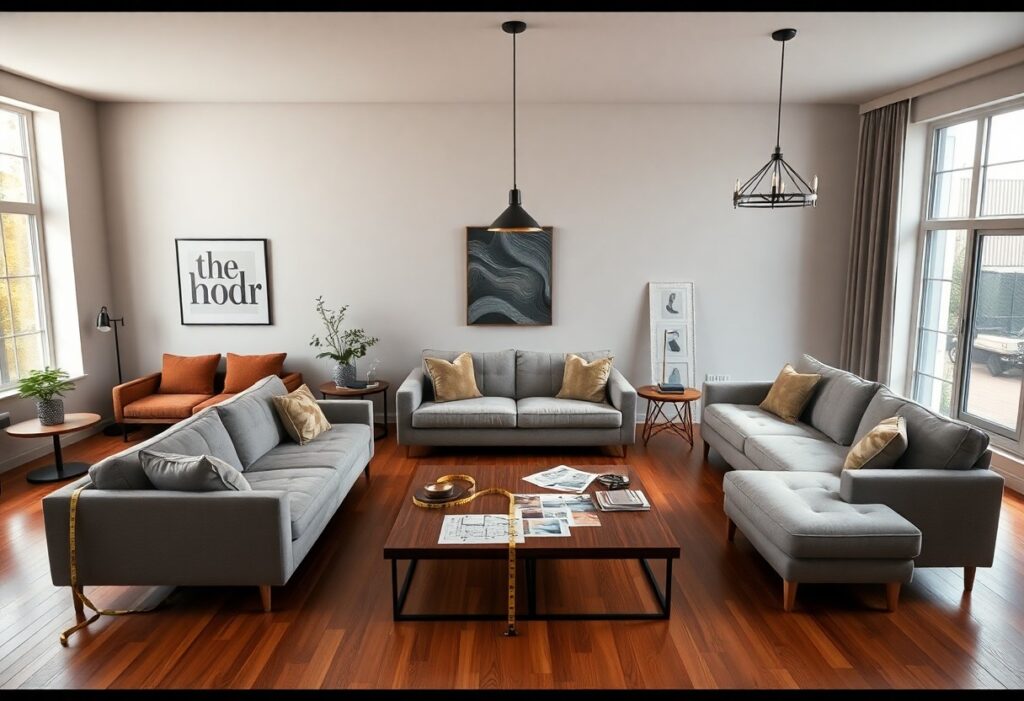

Many homeowners overlook room proportions when selecting perfect living room furniture, leading to cramped or underfilled spaces. You must measure your area first-ignoring dimensions is the most dangerous mistake. Choose pieces that balance comfort and scale. A well-placed sofa can transform a room’s entire feel, while smart layouts enhance flow and function.
Key Takeaways:
- Measure your space before buying furniture to ensure pieces fit well and allow room for movement, avoiding a cramped or overcrowded feel.
- Choose a focal point, like a sofa or entertainment unit, and build around it with complementary items that match the room’s function and your style.
- Prioritize comfort and durability by testing seating in person and selecting fabrics and materials that suit your household’s daily use and maintenance preferences.
Assessing Your Living Room Space and Layout
Understanding your living room’s layout sets the foundation for smart furniture choices. You need to see how space functions before selecting pieces that fit both physically and visually. Measure walls, note door swings, and observe how natural movement happens through the room. This clarity prevents overcrowding and ensures comfort.
Analyzing room dimensions and traffic flow
Start by measuring the length, width, and ceiling height to determine scale. Leaving at least 18-24 inches for walkways keeps the room functional. Watch how people move through the space-don’t block entry paths with large sofas or ottomans. Proper spacing avoids a cramped feel and supports daily ease.
Identifying the primary focal point of the room
Every living room has a natural center of attention, like a fireplace, window, or TV wall. Arrange seating to face this area, creating a cohesive and inviting setup. Aligning furniture with the focal point enhances visual balance and encourages conversation.
Your room’s focal point dictates how energy flows and where eyes naturally land. If you have a large window with a view, build around it-place your sofa to highlight that scenery. In media-focused rooms, center the TV on the main wall and avoid glare from sunlight. When the focal point is clear, your furniture layout becomes intuitive, and the space feels more unified and purposeful.
Identifying Your Personal Style and Aesthetic
You already have a sense of what feels like *you*-trust it. Whether drawn to minimalist lines, cozy farmhouse charm, or bold eclectic mixes, your living room should reflect your personality. Ignoring trends in favor of authenticity leads to a space you’ll love long-term. Flip through design magazines or save images that resonate; patterns will emerge.
Choosing a cohesive color palette and theme
Color sets the mood of your living room, so pick a palette that aligns with your desired atmosphere. A harmonious blend of 2-4 core colors creates visual calm and flow. Start with a dominant neutral, then layer in accent hues through textiles and decor to maintain balance without monotony.
Balancing modern trends with timeless design
Trends come and go, but your furniture should last. Anchor your space with classic silhouettes-like a tailored sofa or solid wood coffee table-then introduce trend-driven elements through pillows, art, or lighting. This approach keeps your room fresh without sacrificing longevity.
Staying current doesn’t mean overhauling every few years. Instead, invest in foundational pieces with clean lines and neutral finishes that won’t feel dated. These timeless items act as a stable backdrop, allowing you to experiment safely with color, texture, and accessories. When you blend enduring design with subtle trend touches, your living room feels both current and enduring.
Evaluating Key Factors for Material and Durability
- Choose durable materials based on your household’s daily use
- Consider stain-resistant fabrics if you have kids or pets
- Opt for solid wood frames over particle board for longevity
- Look for scratch-resistant finishes on tables and sideboards
Material choice directly impacts how well your furniture withstands daily wear. Durable materials like hardwood or metal last longer, while stain-resistant fabrics simplify cleaning. Solid wood frames resist warping over time. Knowing how each material performs ensures your living room stays stylish and functional for years.
Selecting performance fabrics for lifestyle needs
Fabric choice shapes comfort and upkeep. If you host often or have pets, performance fabrics like Crypton or Sunbrella resist spills, stains, and odors. These materials maintain softness while offering exceptional durability. Knowing your household’s rhythm helps you pick textiles that look great and stand up to real life.
Understanding frame construction and long-term quality
Strong frames form the foundation of long-lasting furniture. Look for corner-blocked construction and kiln-dried hardwood to prevent loosening over time. Avoid frames held together with staples or glue alone. Knowing what lies beneath the upholstery ensures your investment remains sturdy for decades.
Behind the seams, frame construction determines whether your sofa sags or stands strong. Kiln-dried hardwood resists warping and moisture, while corner-blocking reinforces joints against daily stress. Pieces joined with dowels and screws outlast those assembled with weak adhesives. A well-built frame means fewer repairs and lasting comfort-quality you can feel, not just see.
How-To Measure and Scale Furniture Correctly
Start by mapping your room’s dimensions with a tape measure, noting doorways, windows, and architectural details. Leaving at least 18-24 inches of walking space around furniture ensures comfort and flow. Sketch a simple floor plan or use a digital tool to visualize placement before buying anything.
Determining the ideal sofa and seating dimensions
Your sofa should fit proportionally to the room-too large overwhelms, too small feels insignificant. Measure seating depth and height to ensure comfort; aim for 36-40 inches in depth and 16-18 inches in seat height. Always leave space between the sofa and coffee table-about 14-18 inches-for easy access.
Balancing large statement pieces with accent furniture
A bold sectional or oversized entertainment unit needs visual counterpoints. Introduce side chairs, ottomans, or a pair of lamps to break up mass. Smaller pieces add rhythm and function without competing for attention, creating a layered, inviting layout.
When you anchor the room with a large statement piece, the supporting furniture becomes just as important. A massive sofa, for example, can dominate unless offset by lighter, lower-profile items like a slim console or transparent acrylic stools. Strategic placement of accent chairs or a textured rug draws the eye across the space, preventing any single element from feeling oppressive. This balance ensures the room feels cohesive and thoughtfully designed, not cluttered or lopsided.
Essential Tips for Maximizing Functionality and Comfort
Smart furniture choices transform how you use your living room. Focus on ergonomic support, multi-functional storage, and proportional sizing to match your lifestyle. Prioritize pieces that invite relaxation while serving practical needs. Any
Prioritizing ergonomic support in daily seating
Your body benefits most when your sofa and chairs offer proper lumbar support and seat depth. Look for cushions that balance softness with structure to prevent sagging over time. Arm height and back angle should align naturally with your posture. Any
Incorporating multi-functional storage solutions
Built-in compartments and hidden drawers in ottomans or coffee tables keep clutter out of sight. Choose pieces with lift-top surfaces or interior shelving to store blankets, books, or electronics. Smart storage maintains clean lines while boosting utility. Any
Opting for furniture that doubles as storage doesn’t mean sacrificing style. A console with cabinets can house media devices while anchoring your wall, and a storage bench near the entry holds shoes or throws. These pieces maintain openness in small areas and bring order to larger ones, making your space more adaptable and easier to maintain every day.
Finalizing the Arrangement for Optimal Flow
Position your furniture to guide movement naturally through the room. A well-thought layout supports both function and comfort, letting people move without obstruction. Clear pathways and balanced spacing make your living room feel open and inviting, enhancing everyday use and social gatherings.
Establishing conversational seating zones
Create intimate groupings where seats face each other within 6 to 8 feet. This proximity encourages easy dialogue and connection. Arranging sofas and chairs to face one another fosters warmth and engagement, turning your living room into a welcoming hub for conversation.
Ensuring adequate clearance for movement and accessibility
Leave at least 18 to 24 inches between furniture and walls or other pieces. This space allows for smooth traffic flow and easy access to doors, windows, and outlets. Proper clearance prevents a cramped feel and ensures everyone can move safely and comfortably.
Think about how you walk through the room when seated or passing by. If you have to squeeze past a coffee table or sidestep a side table, the layout isn’t working. Maintain 30 inches of clearance in high-traffic areas to accommodate wheelchairs or strollers if needed. Ample space enhances safety, comfort, and usability for all guests, making your living room truly functional.
Summing up
Following this guide, you now know how to choose the perfect living room furniture for any space. You assess room size, prioritize comfort and function, select complementary styles, and balance color and texture. Your choices reflect your taste while ensuring practicality. You create a cohesive, inviting environment that works for your lifestyle and fits your space perfectly.
FAQ
Q: How do I choose the right size furniture for a small living room?
A: Start by measuring your space and sketching a simple floor plan. Leave at least 18-24 inches of walking room around each piece to keep the area open and functional. Opt for low-profile sofas with exposed legs-they create a sense of airiness. Consider a loveseat instead of a full sofa or use a storage ottoman that doubles as seating. Choose furniture with slim arms and a compact depth to maximize floor space without sacrificing comfort.
Q: What style of furniture works best in an open-concept living area?
A: In open-concept spaces, cohesion is key. Pick a consistent color palette or material theme that flows from the living room into adjacent areas. A neutral sofa with textured fabric pairs well with bolder accent chairs or a statement coffee table. Use area rugs to define the living zone and anchor the furniture. Avoid oversized or overly ornate pieces that can dominate the shared space-clean lines and balanced proportions help maintain visual harmony.
Q: How can I mix different furniture pieces without making the room look cluttered?
A: Stick to a unifying element, like a shared wood tone, fabric color, or design era. For example, pair a mid-century modern sofa with a rustic coffee table if both have warm walnut finishes. Keep upholstery colors within the same family-mixing shades of gray, beige, or navy creates depth without chaos. Limit bold patterns to one or two accent pieces, like throw pillows or a single armchair. Arrange furniture in a conversational grouping to create focus and avoid scattering items randomly.