
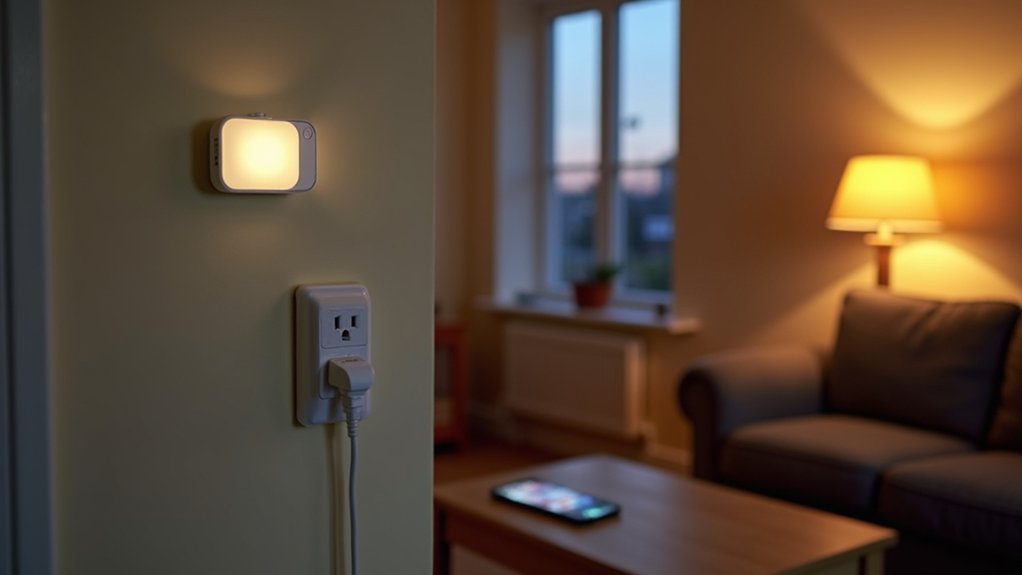

Ofgem estimates a typical UK household uses roughly 2,700 kWh of electricity a year, and a surprising slice can vanish into standby and sloppy heating control. You don’t need premium kit to tighten that up. You can start with £10–£20 plug-in energy monitors, add smart plugs for timed shut-offs, then step up to sub‑£100 thermostats and room-by-room radiator valves. The fastest wins aren’t where you expect…
Quick Smart Energy Savings Under £20
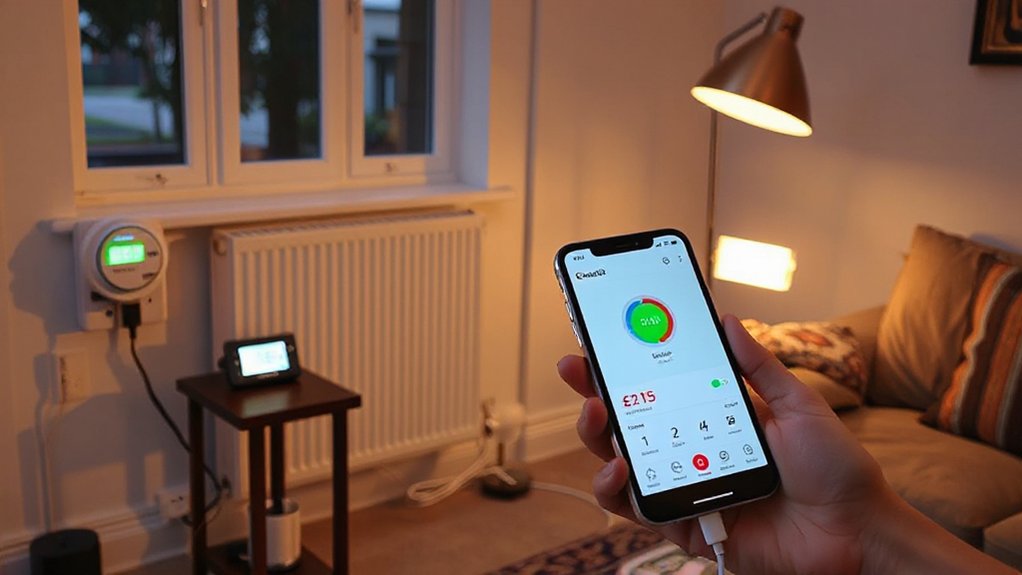
Three of the quickest smart-ish energy wins in the UK cost under £20 and take minutes to fit: a plug-in energy monitor to spot greedy appliances, smart TRV heads (often on promo) or at least a digital radiator thermostat for tighter room control, and a simple smart bulb/plug timer to stop lights and standby loads running longer than needed.
Use the monitor to compare “off” vs standby, then kill phantom loads with a £10 smart plug.
For energy efficient lighting, swap the most-used lamps first: warm 2700K LEDs, high CRI, and dimmable if your fittings allow.
Add motion or sunrise schedules in a cheap smart bulb so halls and porches don’t stay on.
Outside, pick solar powered gadgets like PIR path lights or a shed light; you’ll avoid wiring and keep use self-limiting.
Smart Thermostats: Cost, Compatibility, Savings
How much can a smart thermostat really shave off your UK heating bill—and will it even work with your boiler? Expect £80–£220 upfront, plus optional installer fees if you’ve got an older wiring centre. Check compatibility with combi, system, or heat‑only boilers, and whether you need an OpenTherm bridge or a simple on/off relay.
If you rent, look for a reversible, battery-powered option.
Savings come from tighter schedules, geofencing, and weather compensation; many homes see roughly 8–15% less gas use when set up properly.
Choose a clean wall unit, a tidy wiring plate, and an app that surfaces Energy consumption analytics so you can spot waste fast.
Prioritise Smart home integration with Alexa/Google for frictionless control.
Smart Radiator Valves for Zoned Heating Savings
Where your heating budget really leaks is in warming rooms you don’t use, and smart radiator valves (SRVs) fix that by letting you zone heat room‑by‑room instead of blasting the whole circuit. You set each room’s schedule and target temperature, so bedrooms stay cooler while living spaces hit comfort only when occupied.
For a clean look, choose low‑profile heads and keep them clear of curtains and radiator covers so sensors read accurately. Radiator installation is usually tool‑light: swap the existing TRV head, pair to the hub/app, then run a quick calibration.
If you’ve got older lockshields or odd valve bodies, check adapter compatibility before you buy. Use zoning strategies like “day,” “night,” and “spare room” zones, and cap max temps to stop costly overshoots.
Smart Plugs to Cut Standby Power Waste
Even if you’re diligent about turning things off, a surprising amount of your electricity bill can come from “always‑on” standby loads—TV boxes, games consoles, routers, printers, audio amps, and chargers—so smart plugs give you a clean, controllable way to cut that waste without rewiring.
Choose UK 13A plugs with a low-profile body so adjacent sockets stay usable, and pick models with a physical button for manual override. Use remote control to kill clusters like “TV wall” or “office” from your phone when you’ve left the house.
Set automation scheduling to shut down entertainment kit overnight, pause chargers after bedtime, and power up only when you need it. Pair one plug with a power strip to tidy cables and control multiple devices neatly.
Plug-In Energy Monitors to Find What’s Costly
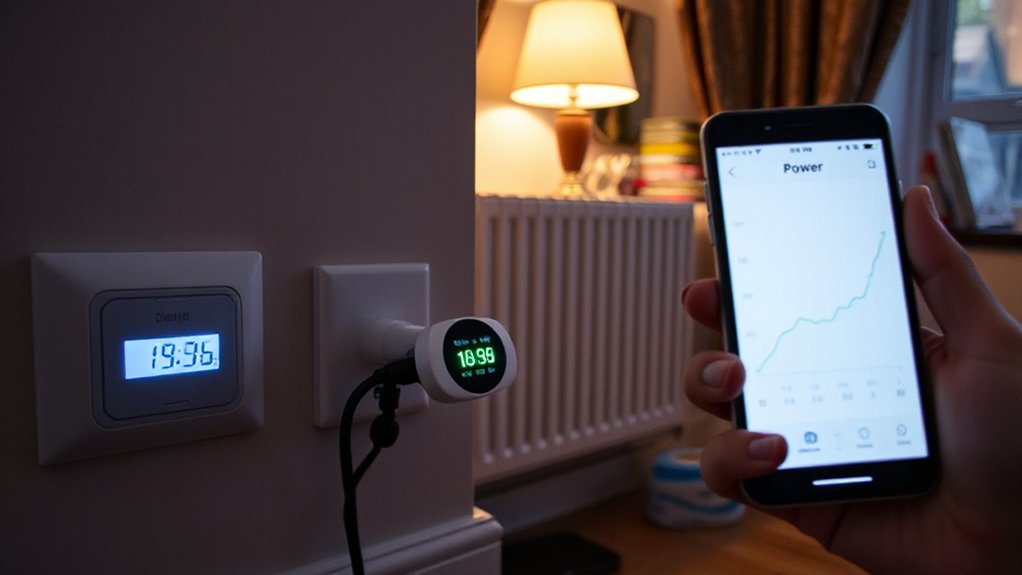
If you want to cut energy costs without guessing, plug‑in energy monitors let you measure what each appliance really draws in watts and pounds per day. Plug one between the socket and your kettle, dehumidifier, fridge, or gaming PC, then log a full cycle: boil, dry, chill, or sleep.
You’ll spot hidden hogs, like old freezers, halogen desk lamps, or set‑top boxes that never truly idle.
Choose a monitor with a clear, backlit screen, UK plug spacing, and kWh totals you can reset per test. Use its data to set priorities: swap bulbs, lower dehumidifier targets, or time loads off‑peak.
Pair findings with smart plugs for device automation—auto‑off at night, or schedules that curb energy consumption without hassle.
Conclusion
You don’t need a full-home overhaul to give your bills a gentle nudge downward. Start with a plug-in energy monitor to spot the “quiet” culprits, then use smart plugs to send idle kit to sleep on schedule. Add a sub‑£100 smart thermostat and a few radiator valves to heat only the rooms you’re actually living in. Finish with dimmable LED timers, and you’ll shape a leaner, calmer energy routine.